Source Electric Kitchen Appliance Toy for Play, Learning, and Role
Compare 30 electric kitchen appliance toy options from verified suppliers in China. Buyers can evaluate models like RFD352313 and JHBB0346 for pretend play, educational value, and custom packaging needs; compare the available evidence and request quotations based on your requirements.
Key considerations
Products List




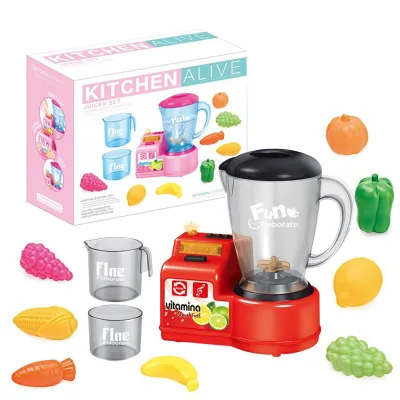
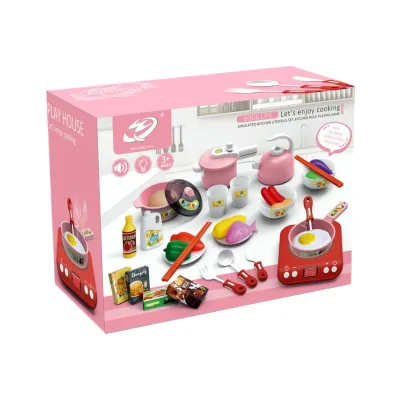
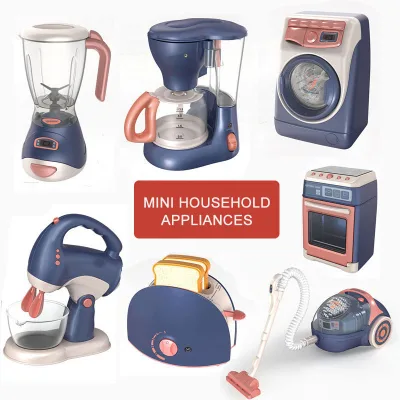
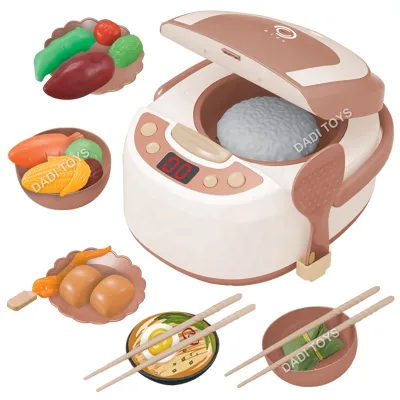


Comprehensive Sourcing Guide
Electric Kitchen Appliance Toy Sourcing Guide
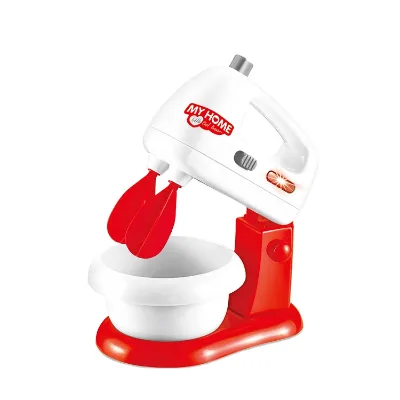
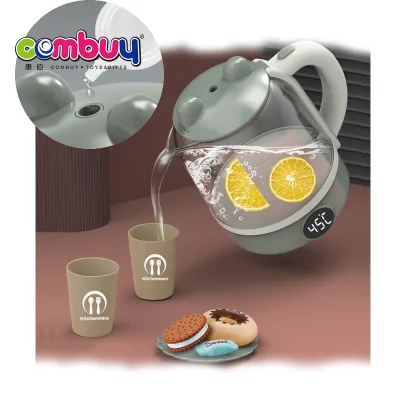
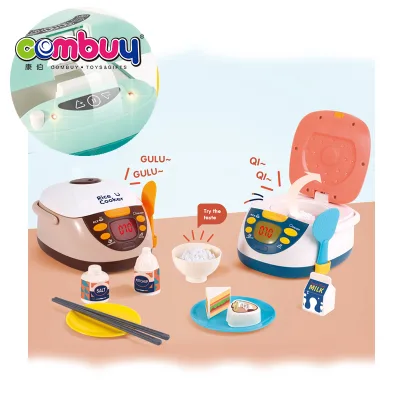
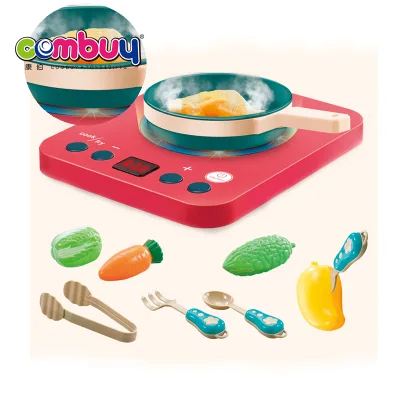
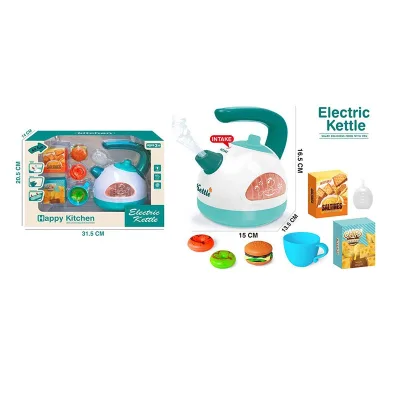
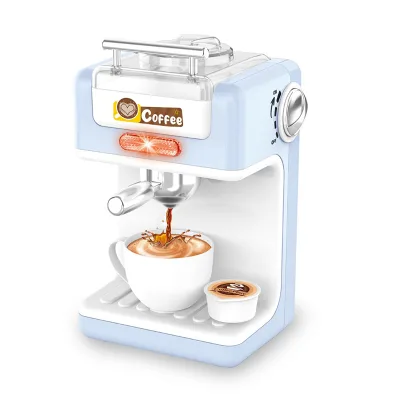
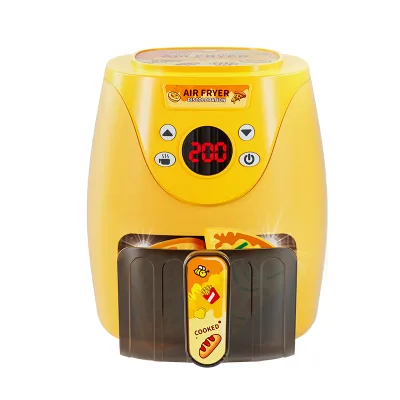
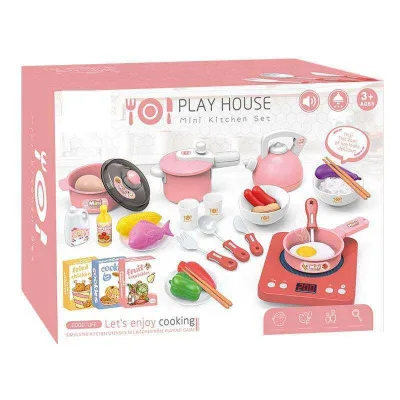
Buyers evaluating electric kitchen appliance toys must first distinguish between static display models and functional pretend-play units that simulate real-world cooking actions. The observed product range includes items categorized specifically as microwave ovens and cookware sets, designed to engage children in role-playing scenarios within a kitchen setting. These toys often feature specific playing characters or scenes that enhance the immersive experience, allowing young users to mimic adult culinary activities with realistic props.
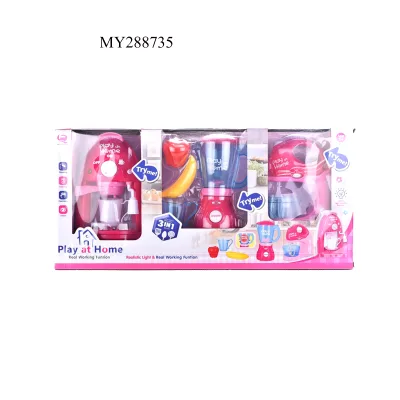
When sourcing these items, procurement teams should verify that the product attributes align with the intended age group, typically ranging from toddlers to early elementary school children. The market data indicates a strong presence of unisex options alongside gender-specific designs, such as pink-colored units targeting specific demographics. Understanding these segmentation nuances ensures that the selected inventory matches the target customer profile and avoids mismatches between product functionality and user expectations.
Product Scope and Observed Listing Signals
The current market listings reveal a diverse array of models, including specific identifiers like RFD352313 and JHBB0346, which vary significantly in their physical dimensions and packaging requirements. Some units are designed with compact dimensions suitable for individual play, while others are packaged in large cartons containing dozens of pieces, such as the 72-piece sets observed in the data. Buyers must carefully review the listed package sizes and carton dimensions to ensure compatibility with their logistics infrastructure and storage capabilities.
Listing signals also highlight the availability of customization services, allowing suppliers to tailor products for specific branding or functional needs. The presence of OEM and ODM capabilities suggests that buyers can request modifications to the plastic type, color, or specific appliance features to differentiate their offerings. However, the variation in packing types, from simple cartons to window boxes and color boxes, requires a detailed assessment of how each packaging style impacts the final retail presentation and unboxing experience.
Technical Specifications to Verify
Technical verification begins with confirming the material composition, as the majority of observed products utilize ABS plastic, a durable choice for toys intended for active play. Buyers should explicitly check the specified plastic type to ensure it meets durability standards for the intended age group, particularly for items like microwaves that may be subjected to frequent handling. The scale of the toys, often described as medium, must be appropriate for the motor skills of the target demographic to ensure safe and effective interaction.
Dimensional accuracy is another critical technical parameter, with observed standards ranging from small individual units to larger sets with specific cubic meter measurements. Procurement teams must validate that the stated dimensions, such as 4734.517 cm or 20.410.220.2 cm, match the physical reality of the goods to prevent shipping discrepancies. Additionally, for any electric components, verifying battery requirements, such as the need for 2*AA batteries, is essential to ensure the product functions as advertised upon delivery.
Compliance and Safety Documentation
Safety compliance is paramount when sourcing toys for children, and the observed listings frequently cite certifications like ASTM, EN71, and CE as evidence of adherence to international safety standards. Buyers must request valid test reports for these specific certifications to confirm that the products have undergone rigorous testing for mechanical, physical, and chemical hazards. The presence of these certifications on the product page serves as a preliminary indicator, but independent verification of the test data is necessary to mitigate liability risks.
Beyond general safety, documentation must address age appropriateness, with many products explicitly marked for children over three years or within the 2 to 4-year range. This distinction is crucial for ensuring that small parts or complex mechanisms do not pose choking hazards to younger users. Procurement teams should also verify that the product usage claims, such as "Fancy Toy" or "Educational Toy," are supported by the safety data to ensure that marketing materials do not misrepresent the product's intended function or safety profile.
Cost Drivers and Commercial Terms
Pricing in this category exhibits a wide range, observed from as low as 0.10 USD to over 14.00 USD, driven by factors such as material quality, complexity of the electric mechanisms, and packaging sophistication. Buyers should analyze the cost structure relative to the observed MOQs, which vary from single units to 1000-piece orders, to determine the most economical order quantity for their specific market needs. Understanding the relationship between unit price and order volume is essential for optimizing inventory investment and maintaining healthy profit margins.
Commercial terms also include significant variations in packaging and shipping metrics, such as the number of pieces per carton and the resulting gross and net weights. For instance, some cartons contain 48 or 72 pieces with specific weight profiles that directly impact freight costs and storage efficiency. Buyers must calculate the total landed cost by factoring in these logistical variables, ensuring that the chosen supplier's packing standards align with their distribution strategy to avoid unexpected shipping expenses.
Supplier Qualification and Quality Control
Supplier qualification should prioritize manufacturers with established origins in key toy-producing regions like Shantou and Guangdong, China, where the supply chain infrastructure is mature. The availability of customization services, including OEM and ODM options, indicates a supplier's capacity to adapt to specific buyer requirements, but this capability must be balanced with a proven track record of consistent quality. Buyers should assess the supplier's ability to maintain strict quality control measures throughout the production process to ensure that every unit meets the specified standards.
Quality control protocols must extend to the final inspection of the product's functional elements, such as the electric components and the durability of the plastic casing. Given the observed variety in product models, a robust QC plan should include random sampling to verify that the physical dimensions, color accuracy, and packaging integrity match the agreed-upon specifications. Establishing clear acceptance criteria for defects and ensuring the supplier has a mechanism for addressing non-conforming goods is vital for maintaining brand reputation and customer satisfaction.
Long-Term Procurement Checks
Sustaining a successful procurement relationship requires regular audits of the supplier's ability to maintain consistent product quality and compliance over time. Buyers should implement a schedule for re-verifying certifications and testing results, as regulatory requirements and safety standards can evolve, potentially rendering previously compliant products non-compliant. Continuous monitoring ensures that the supplier remains responsive to changes in the market and maintains the high standards required for children's products.
Long-term checks also involve evaluating the supplier's inventory management and stock availability, as some listings indicate items are currently in stock while others may require lead time. Ensuring a reliable supply chain prevents stockouts and allows for consistent product availability in the market. Additionally, buyers should periodically review the supplier's customization capabilities to ensure they can continue to innovate and adapt products to changing consumer preferences and emerging trends in the toy industry.
FAQs
Can I customize electric kitchen appliance toys with my brand?
Yes, customization is available for these plastic kitchen toys. Buyers can request OEM and ODM services to tailor designs. The products support various packaging options like color boxes or cartons. This allows businesses to create unique offerings that align with their specific brand identity and market requirements effectively.
What certifications do these kitchen toy appliances have?
These electric kitchen appliance toys hold ASTM, En71, and CE certifications. These standards ensure safety for children aged three years and older. The plastic materials used, including ABS, meet rigorous quality benchmarks. This compliance helps suppliers and buyers navigate international trade regulations and ensures product safety for end users.
What is the minimum order quantity for these toys?
The minimum order quantity ranges from 1 to 1000 units depending on the specific model. Some items accept orders as low as 10 pieces for testing. This flexibility supports both small retailers and large distributors. Buyers can choose quantities that fit their inventory needs while still accessing customized production services and various packaging options.
Where are these kitchen toys manufactured?
These toys are manufactured in Shantou and Guangdong, China. This region is known for its robust toy manufacturing infrastructure. The products are designed for pretend play and static display. Buyers sourcing from these locations benefit from established supply chains and access to a wide variety of kitchen-themed toy models with different specifications.
What packaging options are available for bulk orders?
Packaging options include carton boxes, color boxes, and window boxes. Standard carton sizes vary, with some measuring 64 by 54 by 83 centimeters. Each carton holds a specific quantity, such as 72 pieces. These packaging solutions protect the plastic toys during shipping and provide clear product visibility for retail display purposes.
Which age groups are these kitchen toys suitable for?
These toys are suitable for children aged two to eight years. Specific models target the two to four-year-old demographic, while others cater to three to eight-year-olds. The designs support educational play and role-playing activities. This broad age range ensures the products appeal to various developmental stages and play preferences among young children.